
Score
SPORT, COHESION, AND OPPORTUNITY IN RURAL EUROPE
„Sport represents an integral part of the lives of millions of Europeans. Support for sport builds community cohesion, grows social inclusion and leads to an enhanced sense of European identity. Sport is also a key facet of Member States’ and the larger European economies; the sector employs millions of European citizens, and adds billions in revenue. Sport is therefore a vital part of what it means to be European”
The event took place over the course of four days; there were presentations, discussions, gastronomy, sports events, folklore and live music. We managed to attract large numbers of the general public to partake and interact.
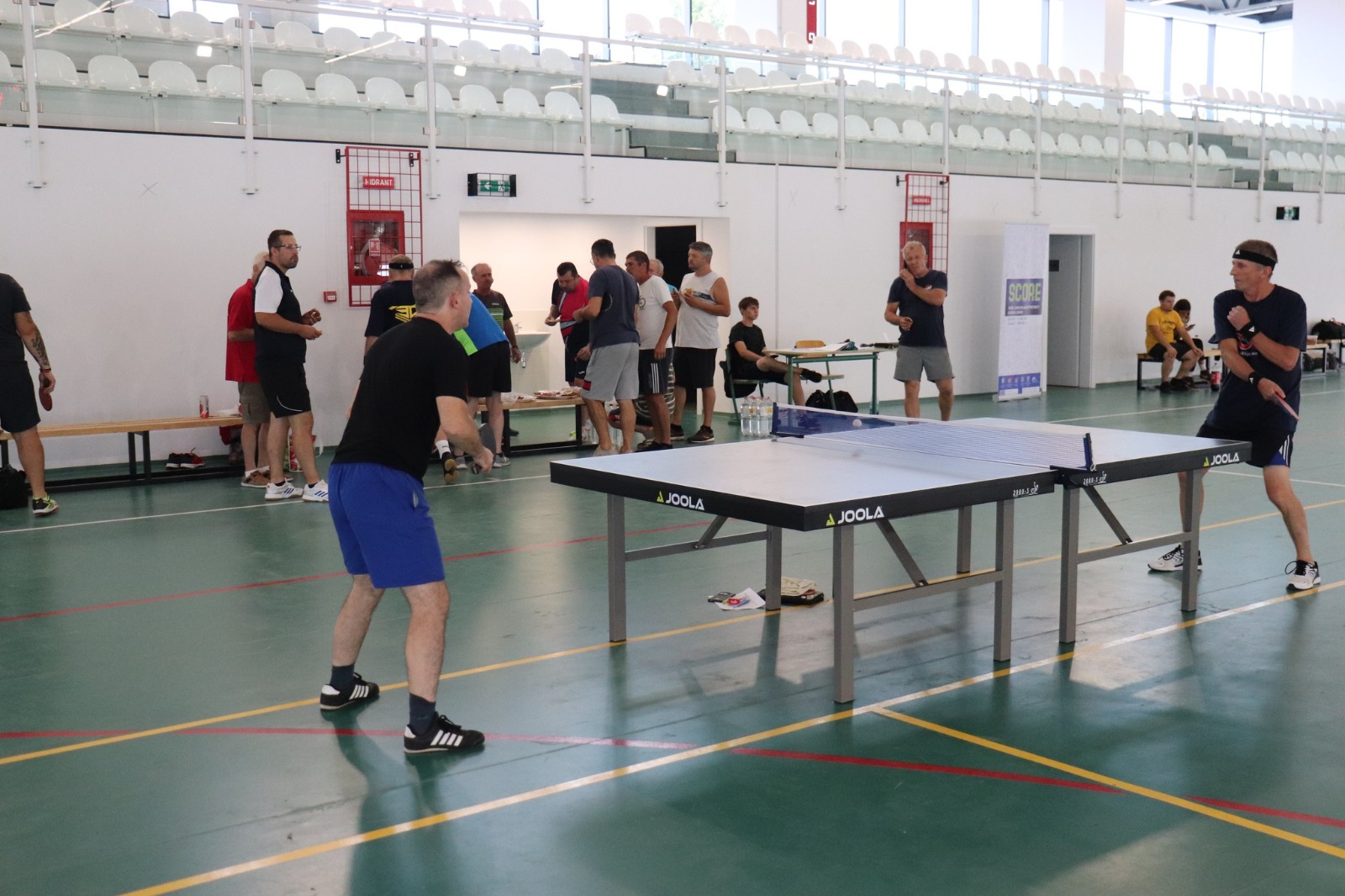
On Thursday, after the partners arrived and were presented the programme schedule, there was a friendly ping-pong warm-up session for those who wished to partake, followed by a welcome dinner. After dinner there were casual discussions where the participating groups got to meet each other.
On Friday the day started early for those who wished to partake in the fishing contest, at 06:00 participants cast their lines and hoped for the biggest catch. Later in the morning there was a guided tour of the village during which participants got to view the ethnography museum and local history exhibition in the Komáromi Mansion in Otomani where they learned about the region’s history and culture. While this was going
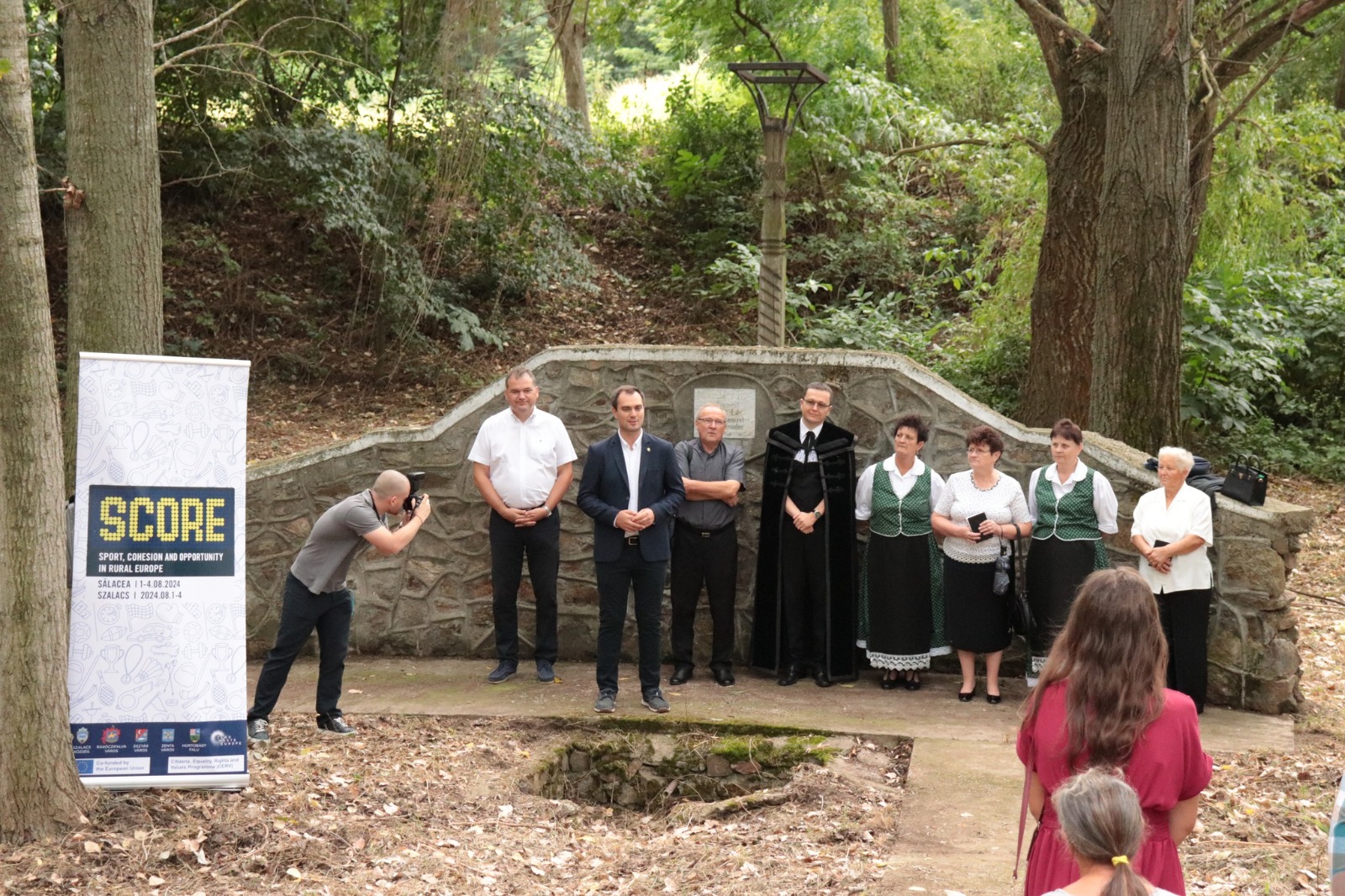
on in another part of the village the children’ s football tournament was held. During the evening they got to know local living heritage: the local women’s choir performed, followed by folk singing and dance performances, prompting the participants to partake as well.
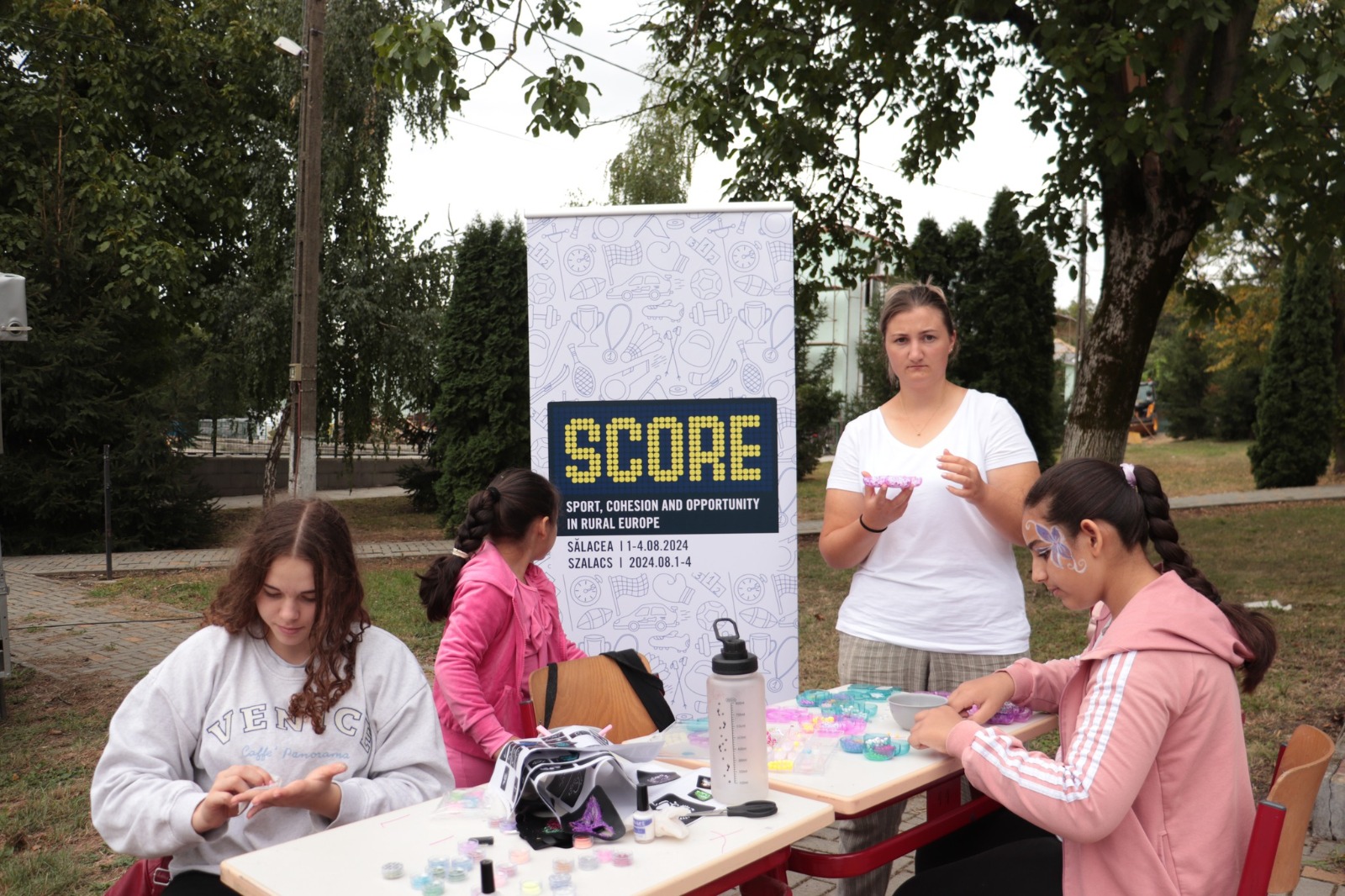
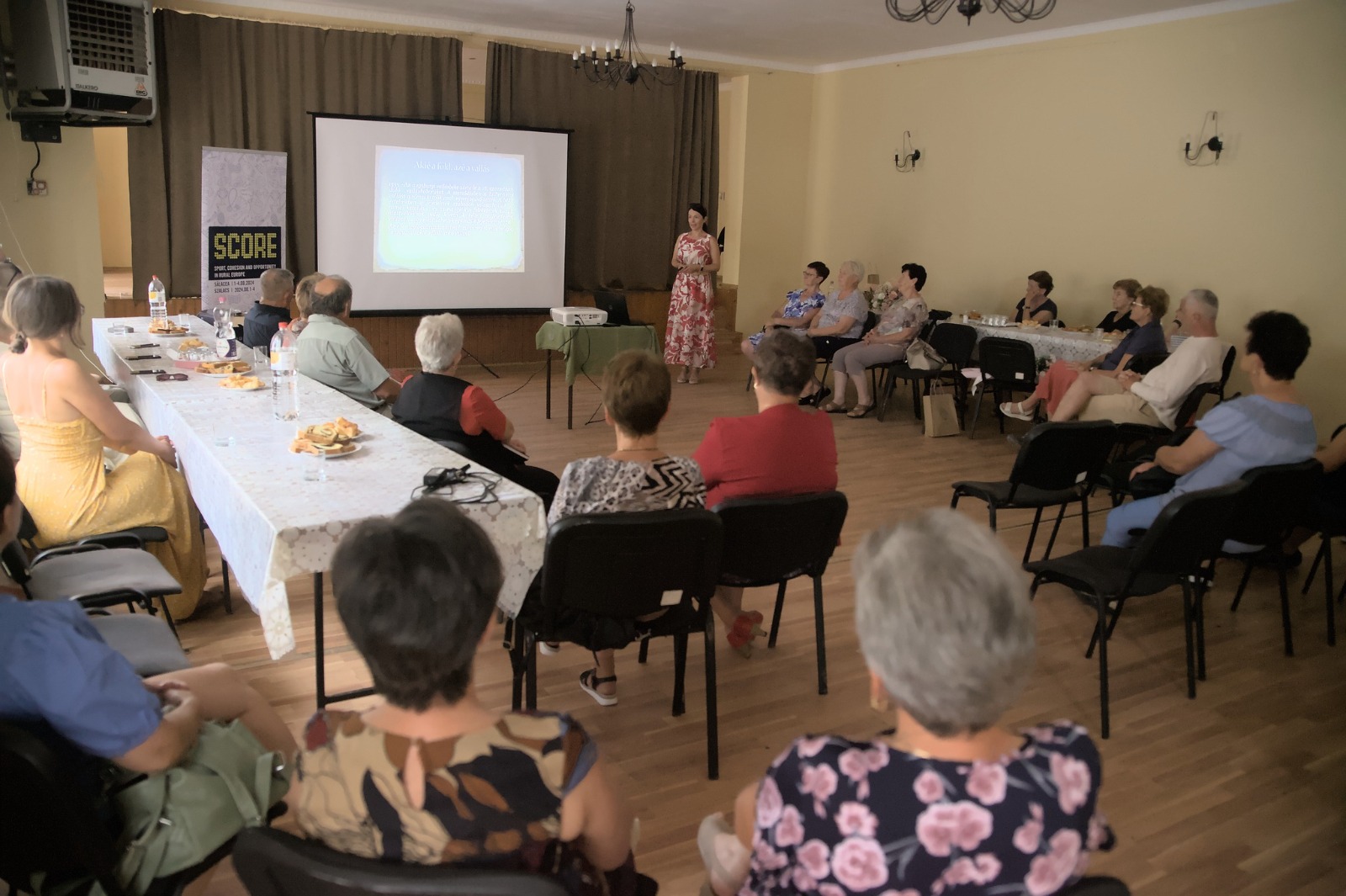
Saturday had a diverse programme for everyone: the adult football tournament began in the morning at the football pitch, concurrently with the table tennis tournament held at the sports centre. Afterwards the girls’ handball tournament was held followed by the boys. In the village park the open-air cooking contest was held. Also in the park there were activities held for mothers and their infants and toddlers. After lunch the sports centre was turned into a makeshift conference hall where invited participants and locals exchanged ideas on popularising sports in their respective regions and how to acquire funding for infrastructure and/or equipment. In the evening participants could choose between live folk music, watching folk dance performances and visiting the open wine cellars of the local producers, or going to a live rock/pop music concert.
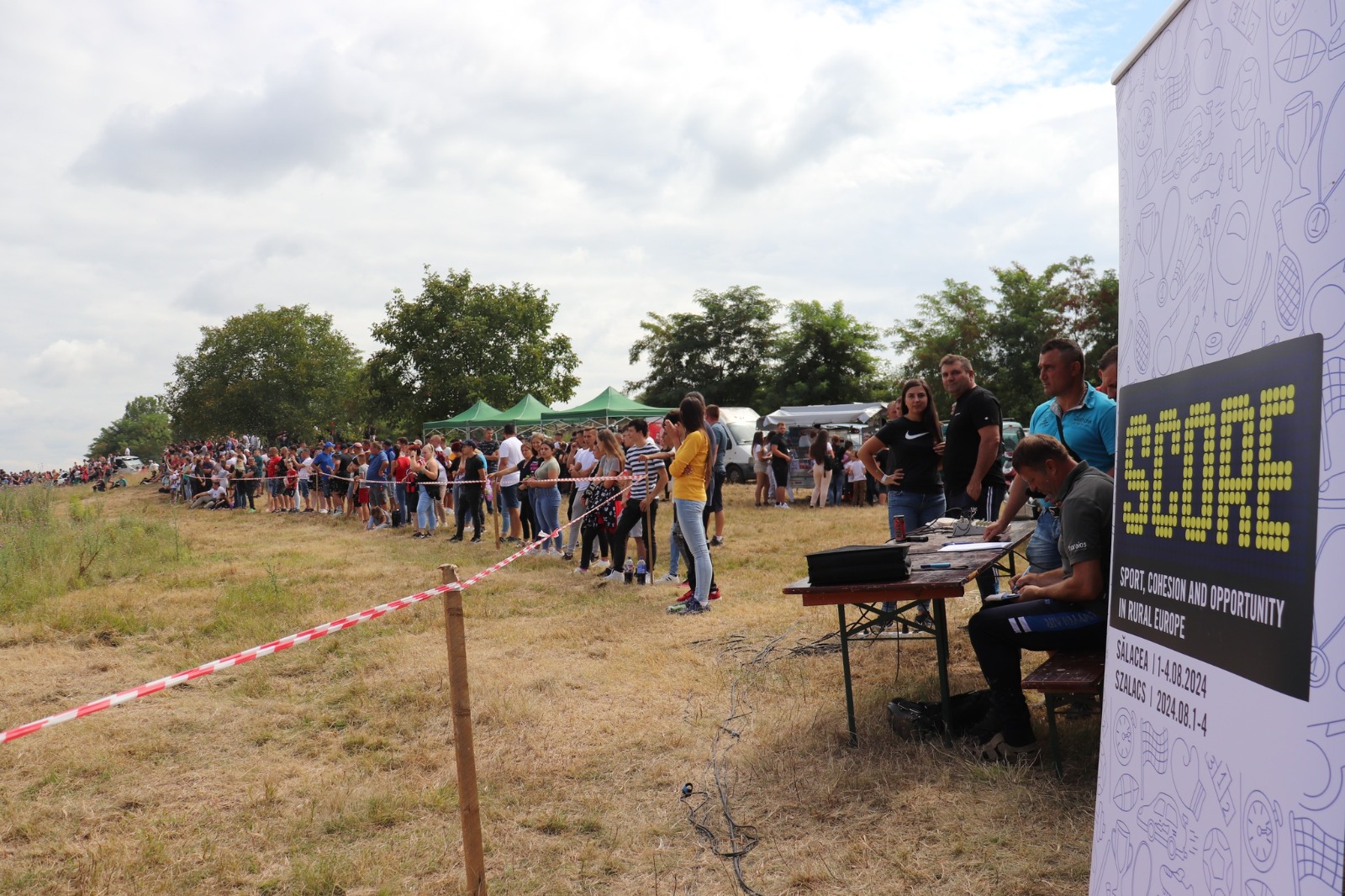
Sunday morning the schoolyard was covered in children’s drawings, made for the children’s art contest. Spirituality was also paid attention to: those interested could attend the Roman Catholic mass or Reformed worship. On the outskirts of the village there was the ever-popular demolition derby where the brave drivers raced against each other in the thick mud. We also held a special event: as the village comes ever so closer to its millennial anniversary, there was a special presentation on the history of Salacea for its 996th anniversary. The afternoon saw the awards ceremony for the many teams and individual athletes after which we held the closing ceremony for the invited guests and capped off the event with a live music concert and fireworks that brought in thousands from the region and beyond.
All in all it is in our opinion that the objectives that we set were all achieved, given the number of participants in the programmes and the popularity of the events in the region and its surroundings.
SCORE successfully promoted intercultural exchanges through a multitude of shared activities; it created meaningful contact, and facilitated collaboration between citizens from member states and beyond; it presented sports as another tool for cohesion and inclusion and it ultimately strengthened existing twin town partnerships.

 RO
 HU
 EN